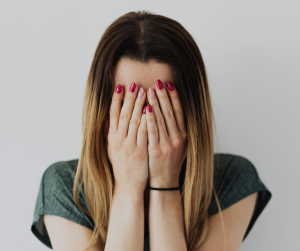
Anxiety, is a potent mix of different symptoms which can be emotional, behavioral, mental as well as physical. Learning how to work specifically with each component of anxiety can help us cope with the overall anxiety. We can learn different strategies to help us both cope with anxiety in the moment and potentially prevent anxiety. Learning how to deal with anxiety when it presents itself, as well as when preventing it can be useful ways to deal with anxiety. Now we know what anxiety is, and Tips for Dealing with Anxiety when it arises, now we can investigate how to prevent the onset of anxiety. This blog post will investigate ways to help prevent anxiety before it arises, reducing the frequency of anxiety episodes.
- Avoiding Stimulants – Avoiding alcohol, caffeine, and nicotine which can cause anxiety can be very useful. Stimulants can not only worsen your anxiety symptoms, but they can also cause anxiety symptoms. Although these stimulants can cause temporary relief from anxiety, they can worsen the issues long-term as we are often using temporary solutions to avoid the root cause of the feeling, this is safety behavior. We may want to consider changing a routine around caffeine, as it can stay in our bloodstream after consumption for hours, affecting us longer than we think.
- Diet and Lifestyle – Having a healthy lifestyle and routine can help with many parts of our mental health, which includes anxiety. Sleep affects all aspects of our lives including anxiety. Having enough sleep is essential when trying to prevent anxious feelings. Additionally, what we eat and drink, when we eat and drink, our stress levels and amount of physical activity all affect our overall mental health. Having a good routine which includes healthy foods throughout the day, reducing our stress levels, and keeping active can all help prevent anxiety.
- Exercise – Not only can exercise reduce the symptoms of anxiety, but it can also reduce the frequency of anxiety. Going for just a 10-minute walk can help reduce stress, which can aggravate anxiety. Those who exercise regularly are more shown in research to be less likely to have anxiety – 25% less than those who don’t work out.
- Mindfulness – Mindfulness is an Eastern philosophy which is a practice that can help us to notice what’s happening in the moment, both inside and outside ourselves. Mindfulness is a very useful way to help us notice when we are getting anxious and stay more grounded, which can help prevent anxious feelings. A daily mindfulness practice could simply focus on our breathing or noticing the sensations of things as we go through our everyday lives - like our food, or how the air around us feels.
- Counselling and Psychotherapy – Anxiety can often come from core beliefs which we may not be aware of that we’ve earned throughout our lives. Working with a professional can help find where our anxiety comes from, bringing these core beliefs into our awareness. Then we can learn and manage our triggers of anxiety. This can help us both reduce anxiety and gain some control over it.
Check out my next blog post where I go over tips to deal with anxiety and my blog going into more detail on what anxiety is. If you have any further questions or want to know more about counselling for anxiety, please feel free to get in touch.